
What are 400G edge routers?
The next step for routing at the network edge
400Gbit/s edge routers are high-capacity devices positioned at the network edge to forward traffic at speeds of up to 400Gbit/s. The edge is where access networks, such as fiber broadband and mobile backhaul, link to aggregation and core networks, connecting end users to high-capacity core routing systems. These routers are essential for internet service providers, mobile operators and regional or metro networks that need to aggregate large volumes of traffic close to users. As fiber broadband, 5G and cloud traffic grow, relying solely on 100Gbit/s interfaces becomes inefficient, increasing hardware, power consumption and operational complexity. By consolidating data onto fewer high-capacity interfaces, 400Gbit/s edge routers reduce space and energy requirements, simplify operations and support a diverse mix of services. With integrated Layer 2 and Layer 3 capabilities, they can carry residential, business and mobile traffic on a single platform without compromising performance.
Designed to work with existing IP and optical networks
400Gbit/s edge routers seamlessly integrate into existing IP and optical networks, enabling capacity upgrades without major network redesigns or service disruption.
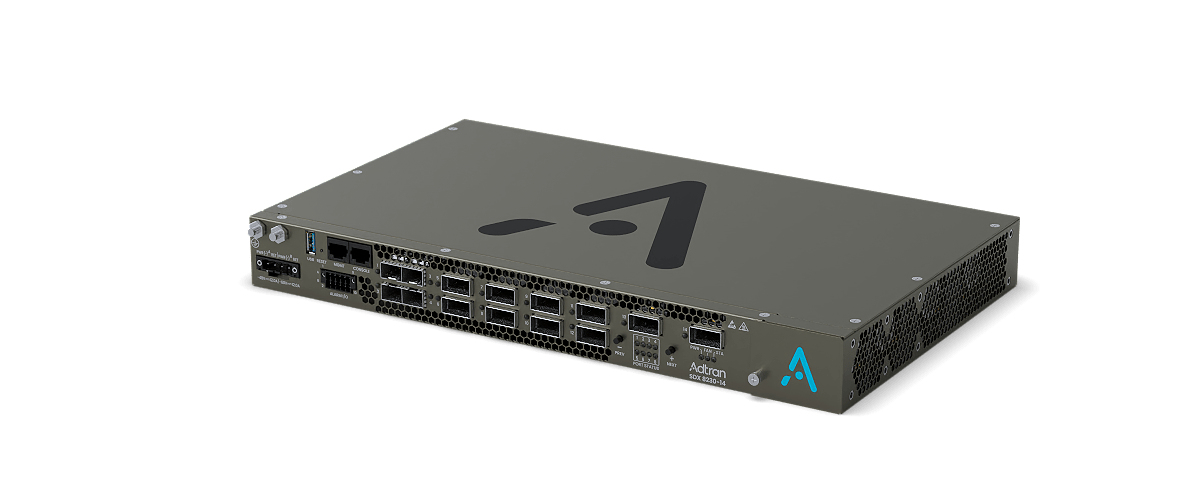
400Gbit/s edge routers combine high-capacity forwarding with flexible service support at the network edge, helping operators scale without adding unnecessary complexity.
Multiple interface speeds on a single edge router
Support for 10Gbit/s, 100Gbit/s and 400Gbit/s interfaces empowers operators to gradually increase capacity, rather than forcing disruptive upgrades.
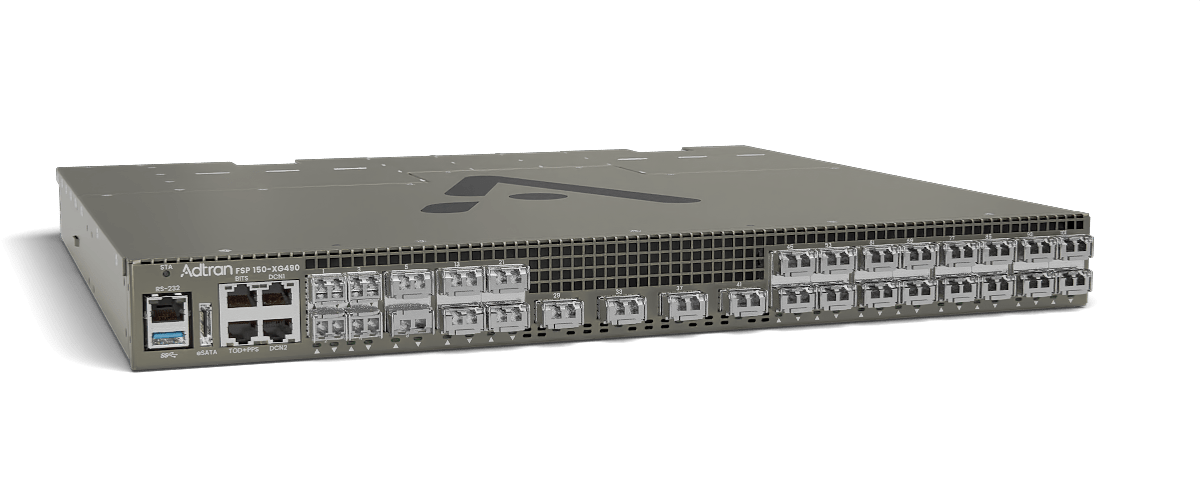
Preparing the network edge for long-term growth
Modern 400Gbit/s edge routers support today’s 100Gbit/s services while providing a clear path to higher speeds as traffic grows. Most deployments start by mixing lower-speed interfaces with a small number of 400Gbit/s ports, then expand over time as demand increases. This approach reduces upfront costs and ensures scalability, protecting investments and avoiding repeated, disruptive hardware upgrades. Service flexibility is critical at the edge, so these routers include Layer 2 and Layer 3 functions for traffic management, QoS policies and MPLS-and segment routing-based engineering. They maintain low latency and high reliability for time-sensitive traffic such as voice, video and 5G backhaul. By integrating coherent optics, 400Gbit/s edge routers simplify connectivity and reduce hardware complexity, creating a streamlined edge architecture that scales easily and supports diverse use cases.
Edge use cases and high-capacity services
400Gbit/s edge routers enable dense aggregation for broadband and business traffic, deliver low-latency 5G backhaul and support multi-homed connectivity to edge or regional data centers.
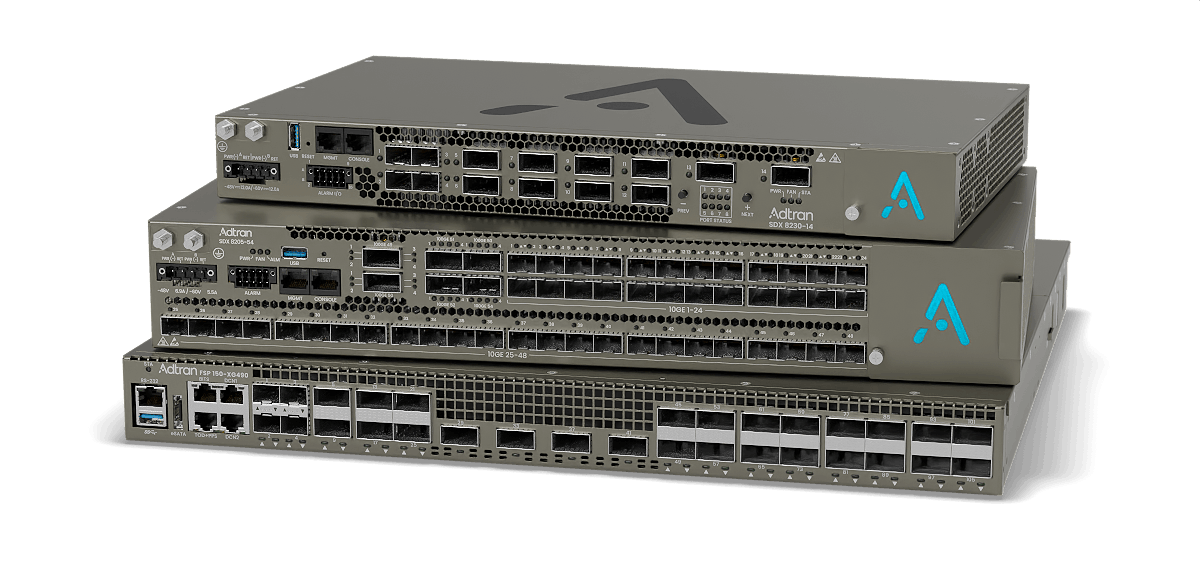
400G edge routing with Adtran
At the core of our 400Gbit/s edge router solution is Activator, a software-based network operating system (NOS) that transforms Adtran aggregation switches into carrier-grade edge routers. While the hardware delivers compact, energy-efficient 400Gbit/s performance for cabinets and central offices, Activator provides the intelligence and operational simplicity needed to scale. Unlike traditional hardware-centric platforms, Activator offers a consistent software foundation across the edge with unified Layer 2, Layer 3 and MPLS features in a consistent operational model, making deployments and expansions straightforward. Native support for 10Gbit/s, 100Gbit/s and 400Gbit/s interfaces enables flexible growth, while plug-and-play ZR/ZR+ optics and optional IP OLS extend reach beyond 120km. Deployed by service providers worldwide, our Activator-powered solution ensures reliable performance, precise timing and secure operations, simplifying today’s edge while preparing for future demands.
 ;
;