
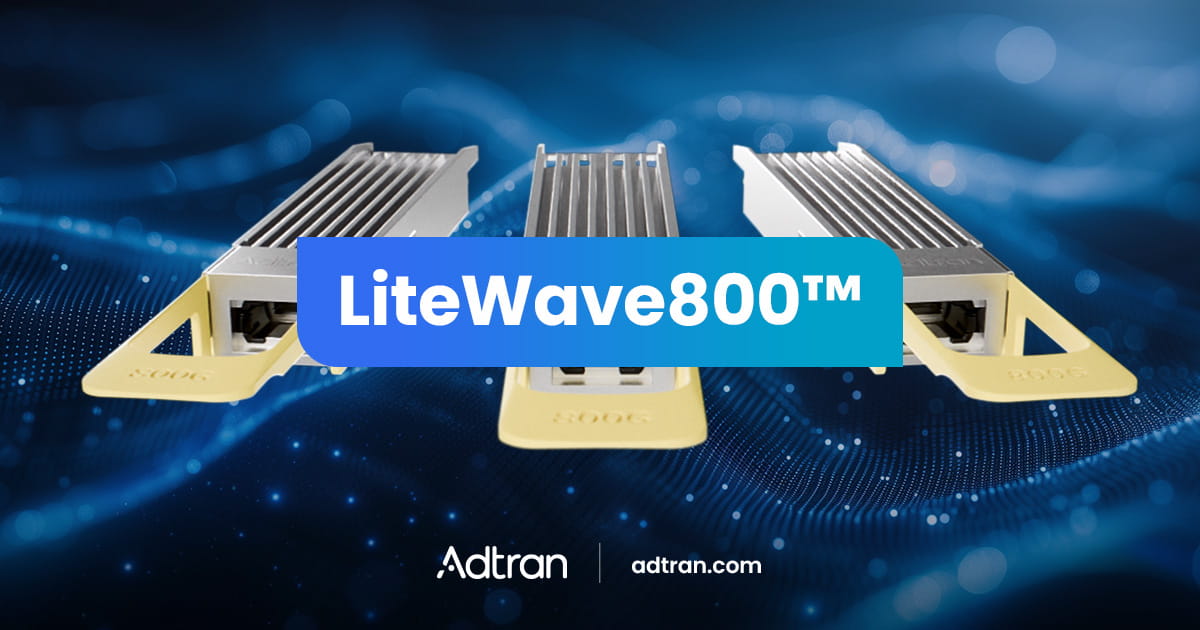
What are linear pluggable optics?
Tackling the cost and power challenges of AI-driven data centers
As AI workloads increase, modern data centers face growing pressure to handle massive interconnect bandwidth at lower power and cost. Every watt and rack unit matters. Hyperscalers and cloud service providers need solutions that minimize energy use, space requirements and operational expense. At the same time, they need to increase link speed and maintain reliability. Linear pluggable optics (LPOs) deliver exactly that. By removing the power-hungry digital signal processor (DSP) from the optical module and leveraging the signal-processing capabilities already present in the host switch or router, LPOs offer a streamlined design that reduces power consumption, heat generation and latency. This makes them ideal for high-capacity, relatively short links in various data center applications, including AI/ML clusters and GPU intraconnects where power efficiency and low latency are critical.
Boosting low-power intra-data center links
LPOs eliminate the DSP and use the host’s built-in ASIC capabilities to enable energy-efficient, low-latency connectivity.
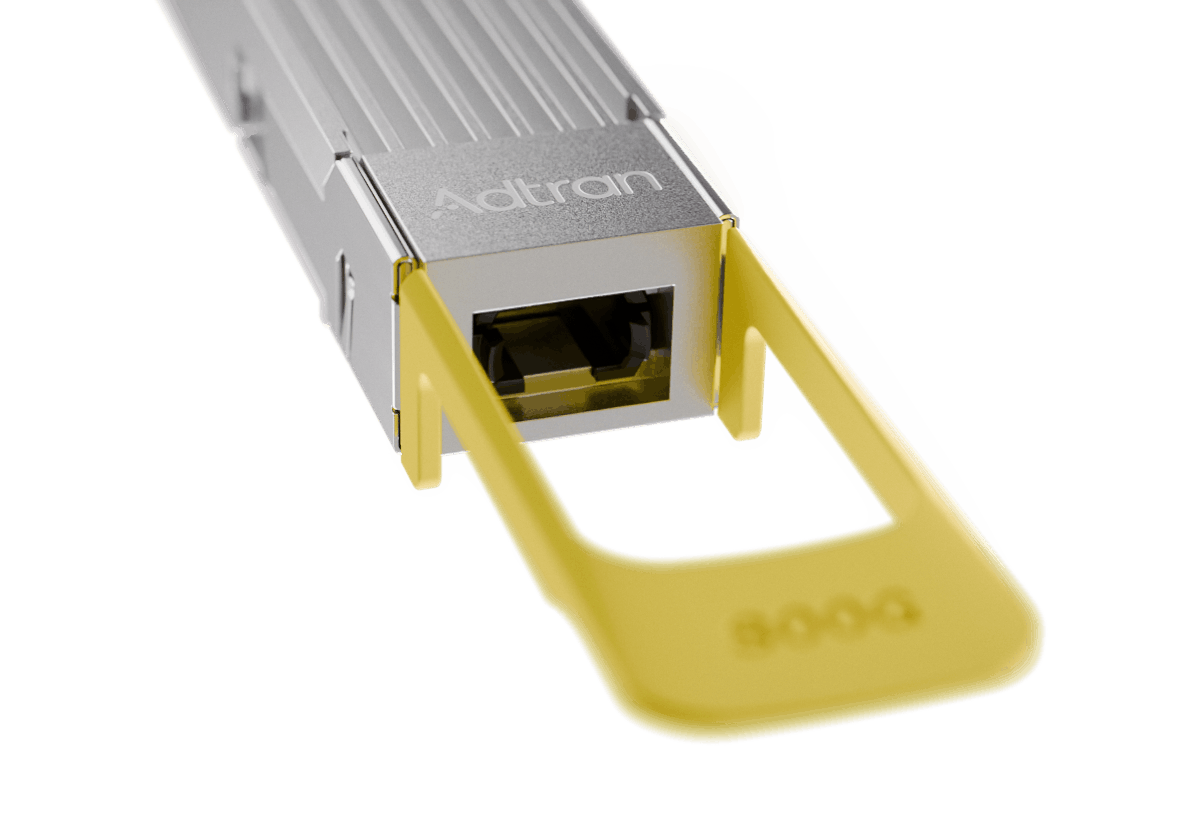
LPOs are ideal for intra-data center applications, including AI/ML clusters and GPU intraconnects.
Enabling flexible deployment with efficient pluggable modules
LPOs feature a standardized, hot-swappable small-form-factor design for easy integration into routers and switches.
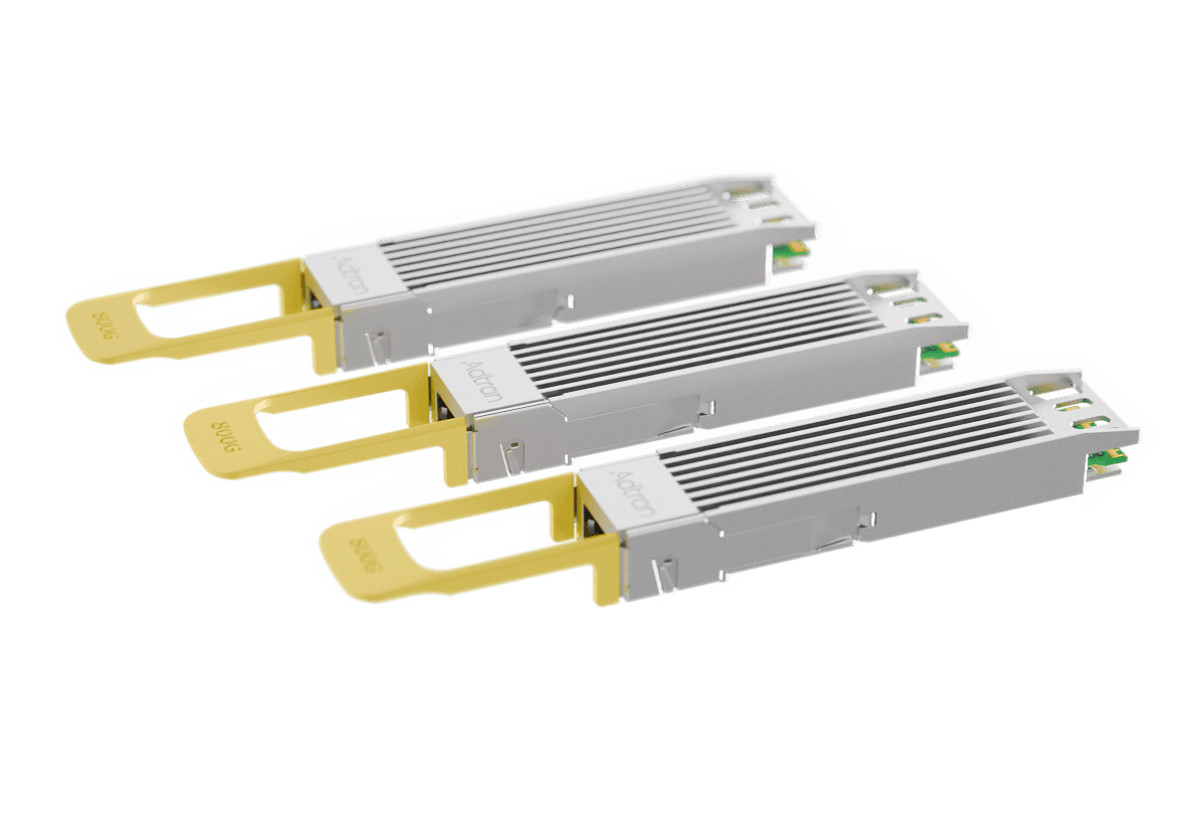
Streamlined design with powerful performance
Unlike traditional transceivers that use a DSP for high-speed data processing, LPOs are directly driven by the host’s SerDes. They leverage linear analog components and benefit from signal-processing features already present in the host ASIC, such as digital retiming, equalization and forward error correction (FEC). This simplified architecture allows LPOs to reduce module power usage by roughly 50% compared to traditional DSP-based (retimed) optics. Removing the DSP also reduces latency by eliminating DSP-related delays. With fewer components and a simpler architecture, LPOs support lower BOM and manufacturing costs. LPOs are now formally standardized by the LPO multi-source agreement (LPO MSA) group and are available in QSFP-DD and OSFP form factors, ensuring they work seamlessly with existing equipment.
Direct-drive linear technology
By eliminating signal processing, LPO modules decrease power consumption and thermal dissipation by approximately 50%.
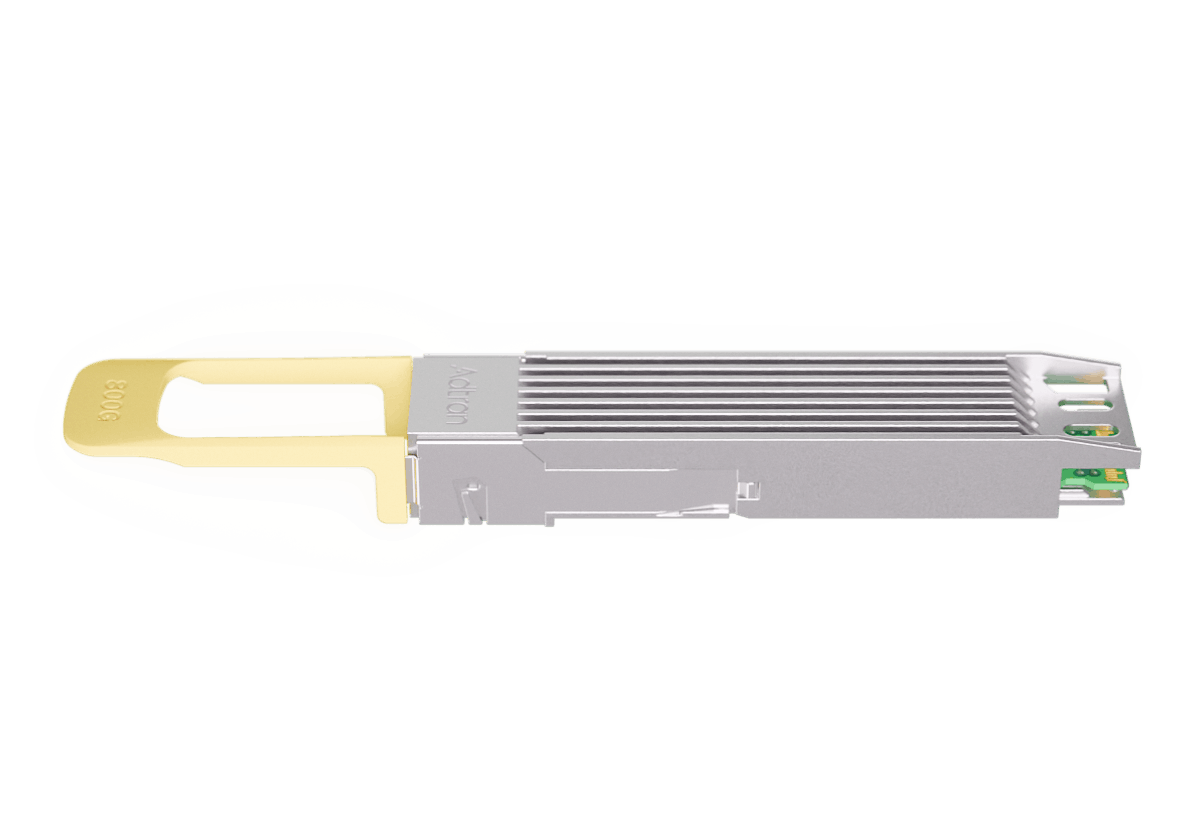
Redefining intra-data center efficiency with Adtran LiteWave800™
The LPO MSA group, which includes Adtran, facilitates a broad ecosystem of LPO manufacturers and networking equipment that supports LPO transceivers. The LPO MSA has completed two specifications: the 100G-DR-LPO and the 400G-FR4-LPO. The 100G-DR-LPO specification targets up to 800Gbit/s Ethernet connectivity and supports single-mode fiber links of up to 500 meters at 100Gbit/s per lane, aligning with the IEEE 100GBASE-DR, 400GBASE-DR4 and 800GBASE-DR8 standards. The 400G-FR4-LPO targets up to 400Gbit/s Ethernet and is designed for the 100G/lane CWDM optical interface (400GBASE-FR4). A specification targeting up to 1.6Tbit/s with 200G/lane is currently under discussion. These characteristics make LPO particularly effective for high-speed, low-latency, low-power connectivity inside data centers. This includes GPU-to-GPU and server-to-server interconnects for AI and ML workloads, as well as high-density spine-to-leaf connections in hyperscale environments. By reducing power consumption and cost while maintaining carrier-grade performance, LPOs enable efficient, future-ready networks that keep pace with cloud and AI-driven traffic growth.
Related resources
 ;
;